Noopept
Price range: $10.32 through $51.64
Earn 10 – 52 points upon purchasing this product.
✅ 99% Purity – Third-Party Tested
🚚 Free U.S. Shipping on Orders $100+
🇺🇸 Proudly Made in the USA
⚡ Fast & Reliable Shipping
🔒 Secure Checkout Guaranteed
Enjoy 24/7 customer support, 1st & 3rd party verified 99% purity, and free shipping on orders over $100!
Noopept Overview
Noopept, chemically known as N-phenylacetyl-L-prolylglycine ethyl ester, is a synthetic dipeptide-derived compound investigated in neurochemical and molecular neuroscience research. Structurally, it is related to compounds within the racetam-associated class of cognitive research molecules, though it differs chemically due to its dipeptide backbone and phenylacetyl functional group.
In laboratory environments, Noopept is utilized as an investigational research compound for examining molecular processes associated with neuronal signaling, synaptic communication, and neurotrophic factor regulation. Research interest in this compound centers on its interactions with neurotransmitter systems and intracellular signaling pathways involved in synaptic plasticity and neuronal regulatory mechanisms.
Chemical and Molecular Properties
| Property | Value |
| Compound Name | Noopept |
| Chemical Name | N-phenylacetyl-L-prolylglycine ethyl ester |
| Molecular Formula | C17H22N2O4 |
| Molecular Weight | 318.37 g/mol |
| CAS Number | 157115-85-0 |
| PubChem CID | 180496 |
| IUPAC Name | Ethyl 2-[[(2S)-1-(2-phenylacetyl)pyrrolidine-2-carbonyl]amino]acetate |
| Synonyms | GVS-111, Omberacetam |
Working Mechanism
Modulation of Glutamatergic Signaling
Experimental studies indicate that Noopept may influence signaling associated with ionotropic glutamate receptors, including:
- AMPA receptors
- NMDA receptors
These receptor systems are widely investigated in neuroscience research because they participate in synaptic transmission and intracellular calcium signaling. Modulation of these receptor pathways is often examined to understand molecular mechanisms related to neuronal communication and signal transduction.
Regulation of Neurotrophic Signaling Pathways
Laboratory studies have also explored the relationship between Noopept and neurotrophic factor expression, including pathways involving:
- Brain-Derived Neurotrophic Factor (BDNF)
- Nerve Growth Factor (NGF)
Neurotrophic factors are proteins involved in neuronal differentiation, synaptic maintenance, and intracellular signaling regulation. In experimental models, researchers analyze how molecular compounds influence the transcription and translation of these regulatory proteins.
Intracellular Signaling and Synaptic Plasticity
In cellular research systems, Noopept is investigated for its interaction with intracellular signaling cascades that regulate synaptic structure and neuronal signaling efficiency. These pathways often involve kinase activation, gene expression regulation, and synaptic protein modulation.
Such mechanisms are evaluated using molecular assays, neuronal cell cultures, and controlled experimental models designed to analyze synaptic signaling dynamics.
Research Applications of the Product in Laboratory Settings
Neurotransmitter Signaling Research
In in vitro neuronal models, researchers use Noopept to analyze the molecular behavior of glutamatergic and cholinergic signaling systems. These studies investigate receptor activity, signal transduction pathways, and regulatory mechanisms involved in synaptic communication.
Neurotrophic Factor Expression Studies
Noopept is frequently incorporated into experimental models investigating neurotrophic factor pathways, particularly those involving BDNF and NGF. Laboratory studies evaluate changes in transcriptional activity, protein expression levels, and intracellular signaling responses associated with these regulatory molecules.
Synaptic Plasticity and Cellular Signaling Analysis
Researchers employ Noopept in cell culture experiments and molecular assays designed to examine synaptic protein expression, dendritic signaling pathways, and intracellular communication networks that influence synaptic architecture in neuronal systems.
Preclinical Neurochemical Research Models
In preclinical experimental models, Noopept may be used to investigate interactions between small molecules and neuronal signaling pathways. These studies help researchers analyze molecular signaling networks, receptor modulation processes, and biochemical responses within controlled experimental systems.
Why Choose Purerawz for Noopept?
Buy Noopept for laboratory research use from our online shop. At Purerawz, we provide high-quality reference materials. Each research compound comes with a Certificate of Analysis for verification of purity and concentration.
Disclaimer
This information is for educational purposes only and not medical advice. Products are for research use only. Research must follow IRB or IACUC guidelines. Verify information independently before purchasing. By ordering, you agree to our Terms and Conditions. If you are not 100% satisfied with the product you received, please contact us at support@purerawz.co
Reference Links
- Ostrovskaya, R. U., Vakhitova, Y. V., Kuzmina, U. S., Salimgareeva, M. K., Zainullina, L. F., Gudasheva, T. A., Vakhitov, V. A., & Seredenin, S. B. (2014). Neuroprotective effect of novel cognitive enhancer noopept on AD-related cellular model involves the attenuation of apoptosis and tau hyperphosphorylation. Journal of Biomedical Science, 21(1), 74. https://doi.org/10.1186/s12929-014-0074-2
- Taghizadeh, M., Maghsoudi, N., Manaheji, H., Akparov, V., Baniasadi, M., Mohammadi, M., Danyali, S., Ghasemi, R., & Zaringhalam, J. (2021). RETRACTED: Noopept; a nootropic dipeptide, modulates persistent inflammation by effecting spinal microglia dependent Brain Derived Neurotropic Factor (BDNF) and pro-BDNF expression throughout apoptotic process. Heliyon, 7(2), e06219. https://doi.org/10.1016/j.heliyon.2021.e06219
Additional information
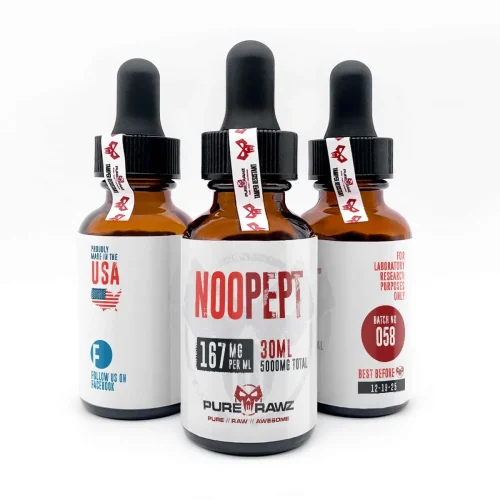
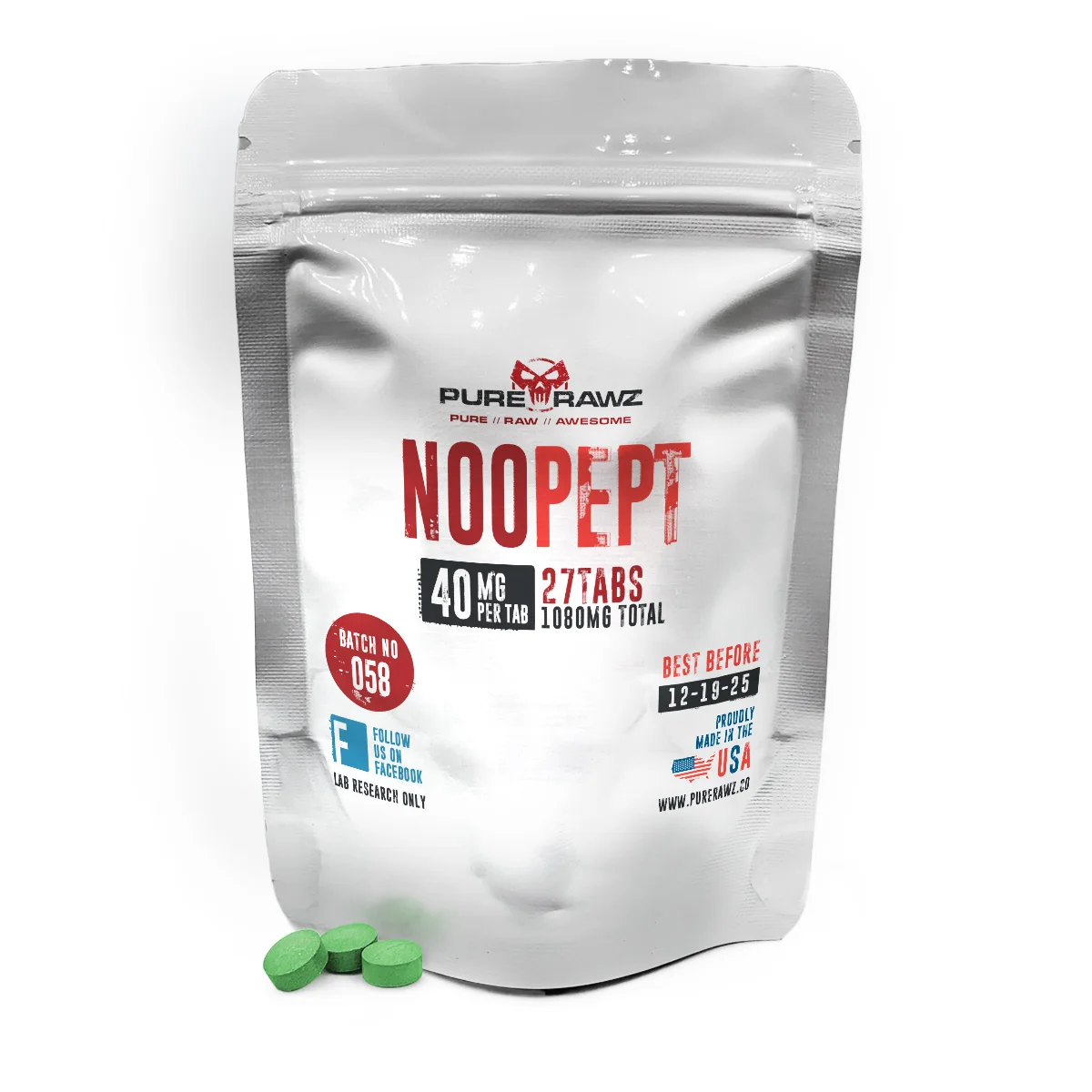
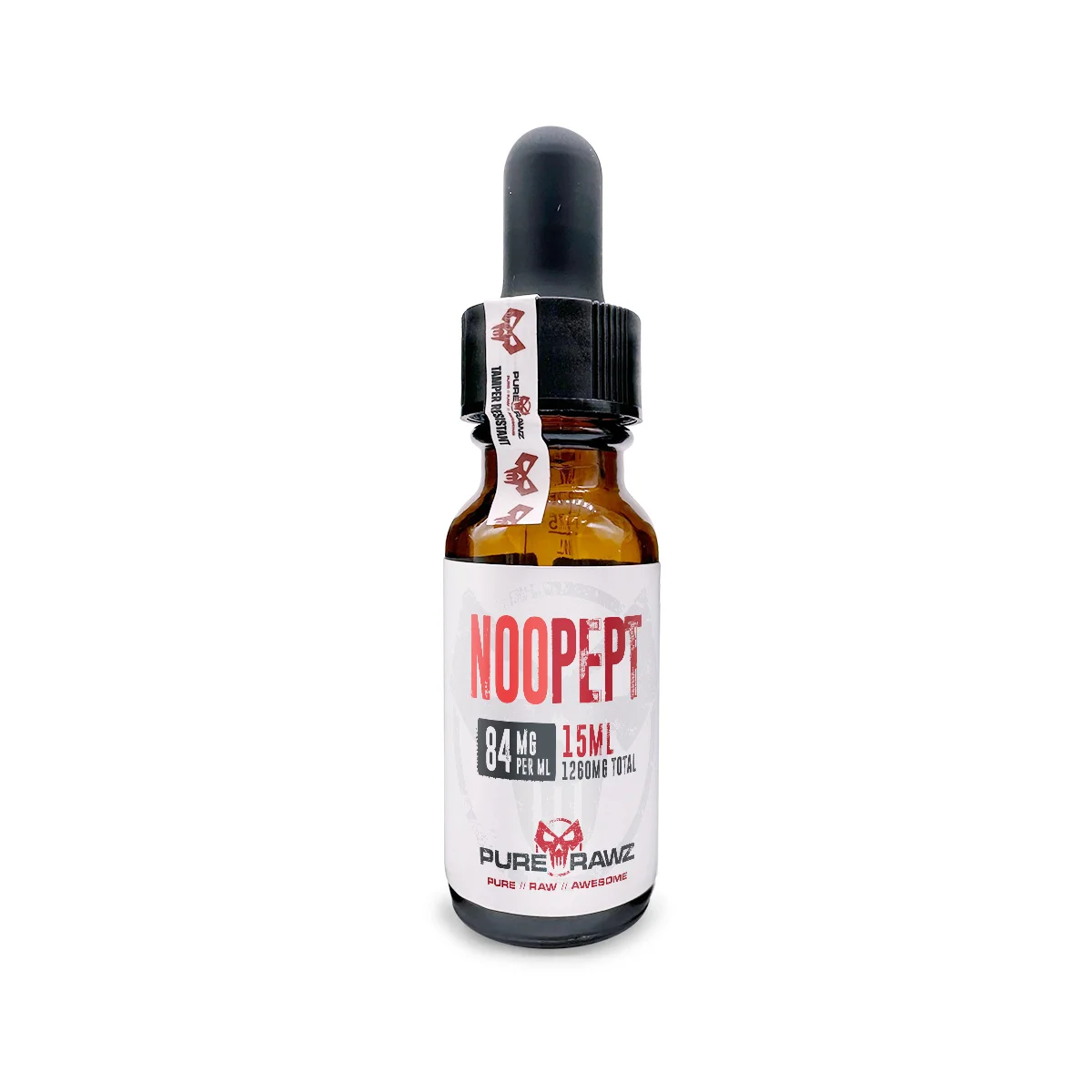
| Attributes | Tablet 40mg/27ct/1080mg, Tablet 40mg/54ct/2160mg, Liquid 30ml/167mg per ml/5000mg, Liquid 15ml/84mg per m/1260mg, Powder 5gm, Nasal Spray Strength 1mg/spray = 100mg total |
|---|
Reviews
There are no reviews yet.