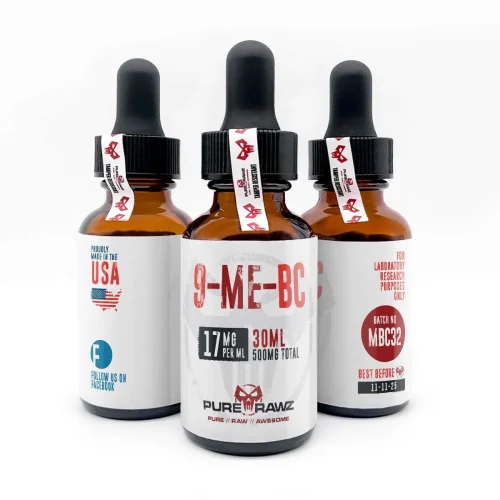
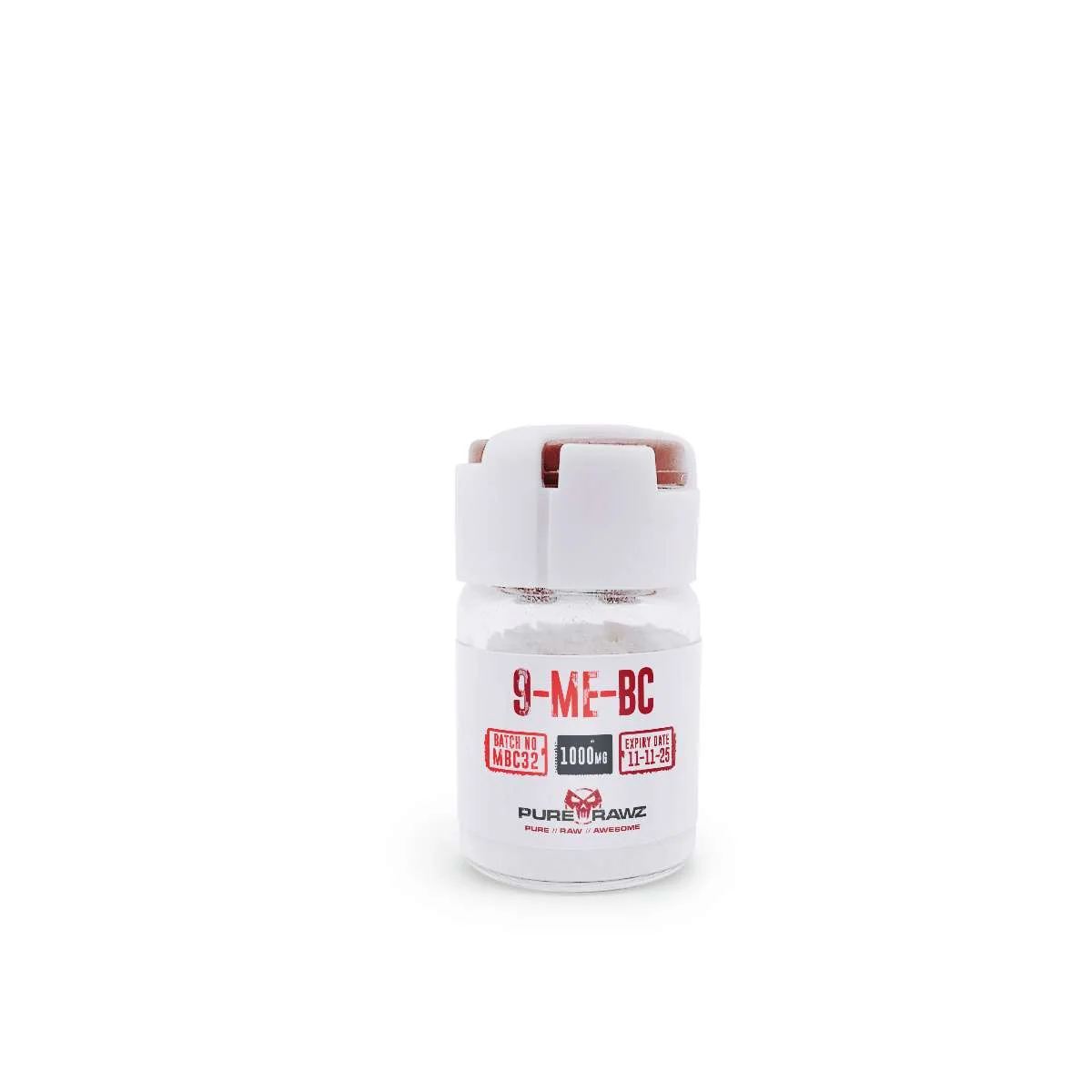
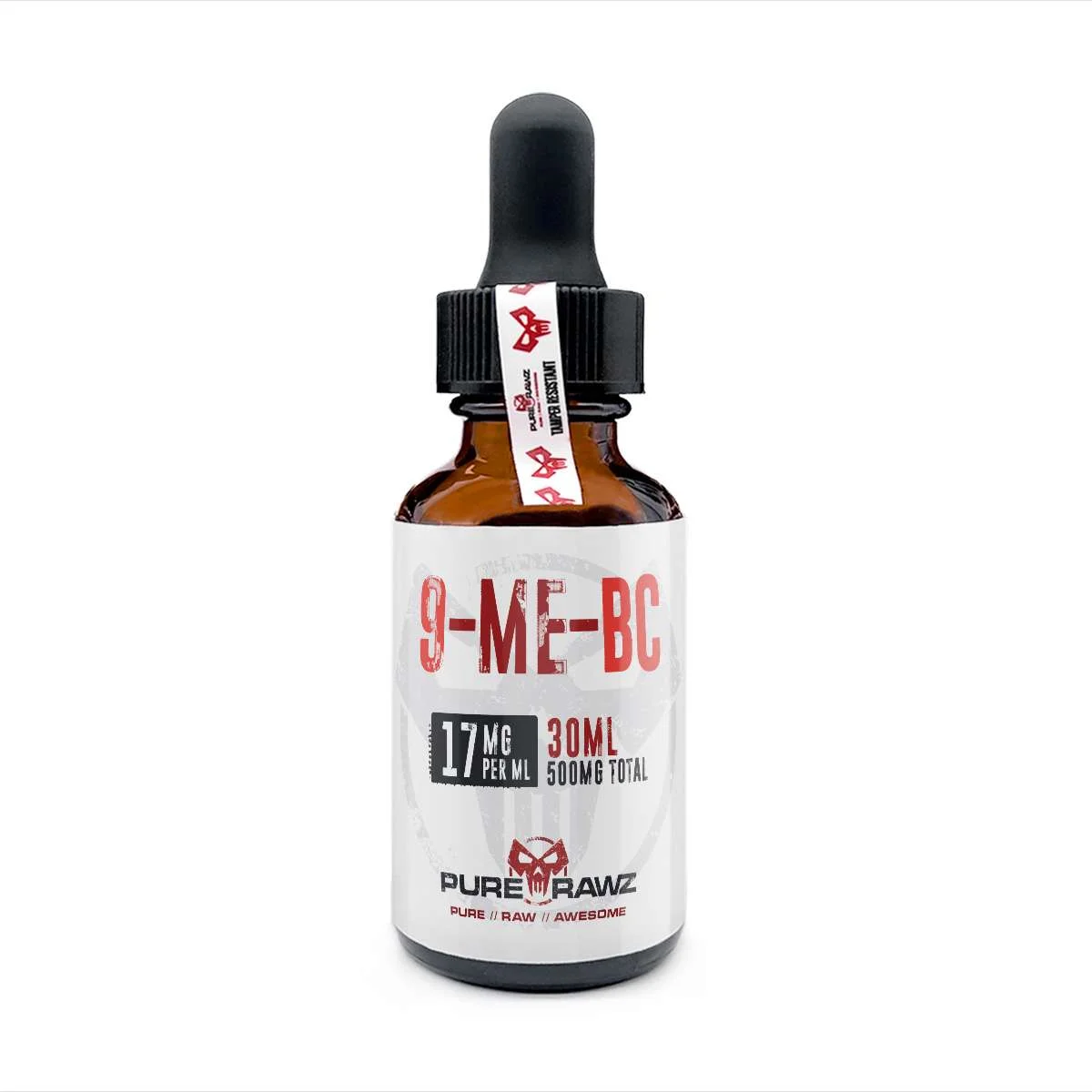
9-Me-BC
Price range: $40.73 through $118.20
9-Me-BC Overview
9-Me-BC, also known as 9-Methyl-B-carboline, is a heterocyclic aromatic compound belonging to the B-carboline family of alkaloids. In scientific contexts, this compound is investigated as an experimental molecule for studying neurochemical signaling systems, cellular oxidative processes, and enzymatic pathways associated with aromatic heterocyclic compounds.
Within laboratory environments, 9-Me-BC is utilized as an investigational research compound in biochemical and neurochemical studies involving monoamine metabolism, cellular signaling pathways, and mitochondrial activity.
Compounds within the B-carboline class are known for their ability to interact with several molecular targets involved in neurotransmitter metabolism and intracellular signaling networks, making them relevant for in vitro studies and experimental research models.
Chemical and Molecular Properties
| Property | Value |
| Compound Name | 9-Methyl-B-carboline (9-Me-BC) |
| Chemical Classification | B-Carboline alkaloid |
| Molecular Formula | C12H10N2 |
| Molecular Weight | 182.22 g/mol |
| Structural Class | Tricyclic heterocyclic aromatic compound |
| Core Structure | B-Carboline scaffold |
| Functional Feature | Methyl substitution at the 9-position |
Working Mechanism
Interaction With Monoamine Oxidase Systems
B-carboline compounds, including 9-Me-BC, are frequently examined for their interactions with monoamine oxidase (MAO) enzymes, which regulate the oxidative deamination of monoamine neurotransmitters. In in vitro enzymatic studies, these interactions can influence the catalytic activity of MAO enzymes and alter monoamine metabolic pathways.
Modulation of Cellular Signaling Pathways
Experimental research suggests that 9-Me-BC may influence intracellular signaling pathways related to:
- Reactive oxygen species (ROS) regulation
- Mitochondrial electron transport processes
- Cellular redox balance
- Gene expression pathways associated with neuronal signaling networks
These processes are typically evaluated using molecular assays and cellular signaling studies designed to investigate regulatory mechanisms at the biochemical level.
Interaction With Cellular Metabolic Systems
Because of its aromatic heterocyclic structure, 9-Me-BC is capable of interacting with cellular enzymes and redox-active molecules, allowing researchers to study molecular interactions within metabolic and signaling networks. These interactions are commonly explored in experimental neurochemical and biochemical models.
Research Applications of the Product in Laboratory Settings
Neurochemical Signaling Studies
In in vitro neuronal research models, 9-Me-BC may be used to examine biochemical pathways involved in monoamine metabolism and neurotransmitter-related signaling systems. These studies investigate enzyme activity, intracellular signaling responses, and molecular pathway regulation.
Monoamine Oxidase Enzyme Research
Researchers employ 9-Me-BC in enzymatic activity assays designed to explore the functional characteristics of monoamine oxidase enzymes. These studies contribute to understanding how aromatic heterocyclic compounds interact with oxidative metabolic pathways.
Mitochondrial and Oxidative Stress Research
In cell-based experimental systems, the compound may be used to analyze mitochondrial dynamics, redox regulation, and oxidative signaling processes. Such investigations help characterize the molecular interactions between heterocyclic compounds and cellular metabolic systems.
Alkaloid Structure-Activity Relationship Studies
Because B-carbolines share a common molecular scaffold, 9-Me-BC is frequently used in structure-activity relationship (SAR) research. Scientists compare structural variants of B-carbolines to determine how chemical modifications influence enzyme binding properties and intracellular signaling pathways.
Experimental Neuropharmacology Research
9-Me-BC also appears in preclinical experimental models that evaluate how heterocyclic alkaloids interact with molecular targets involved in neuronal signaling networks and regulatory biochemical pathways.
Why Choose Purerawz for 9-Me-BC?
Buy 9-Me-BC for laboratory research use from our online shop. At Purerawz, we provide high-quality reference materials. Each research compound comes with a Certificate of Analysis for verification of purity and concentration.
Disclaimer
This information is for educational purposes only and not medical advice. Products are for research use only. Research must follow IRB or IACUC guidelines. Verify information independently before purchasing. By ordering, you agree to our Terms and Conditions. If you are not 100% satisfied with the product you received, please contact us at support@purerawz.co
Reference Links
- Keller, S., Polanski, W. H., Enzensperger, C., Reichmann, H., Hermann, A., & Gille, G. (2020). 9-Methyl-B-carboline inhibits monoamine oxidase activity and stimulates the expression of neurotrophic factors by astrocytes. Journal of Neural Transmission, 127(7), 999-1012. https://doi.org/10.1007/s00702-020-02189-9
Additional information
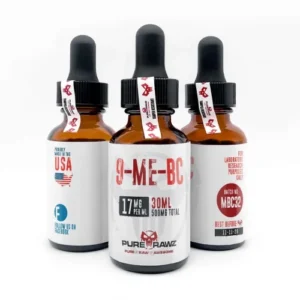
| Attributes | Liquid 30ml/17mg per ml/500mg, Liquid 15ml/17mg per ml/250mg, Powder 500mg, Powder 1000mg |
|---|
Reviews
There are no reviews yet.