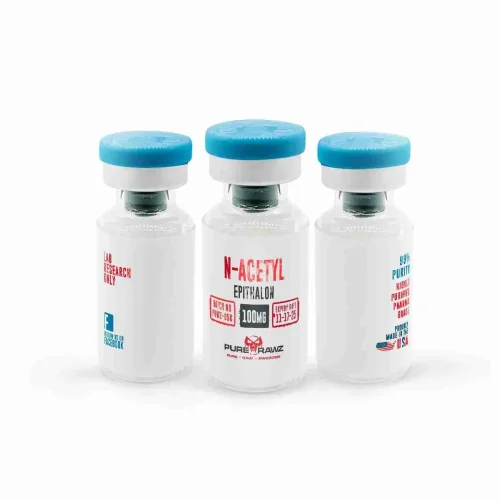
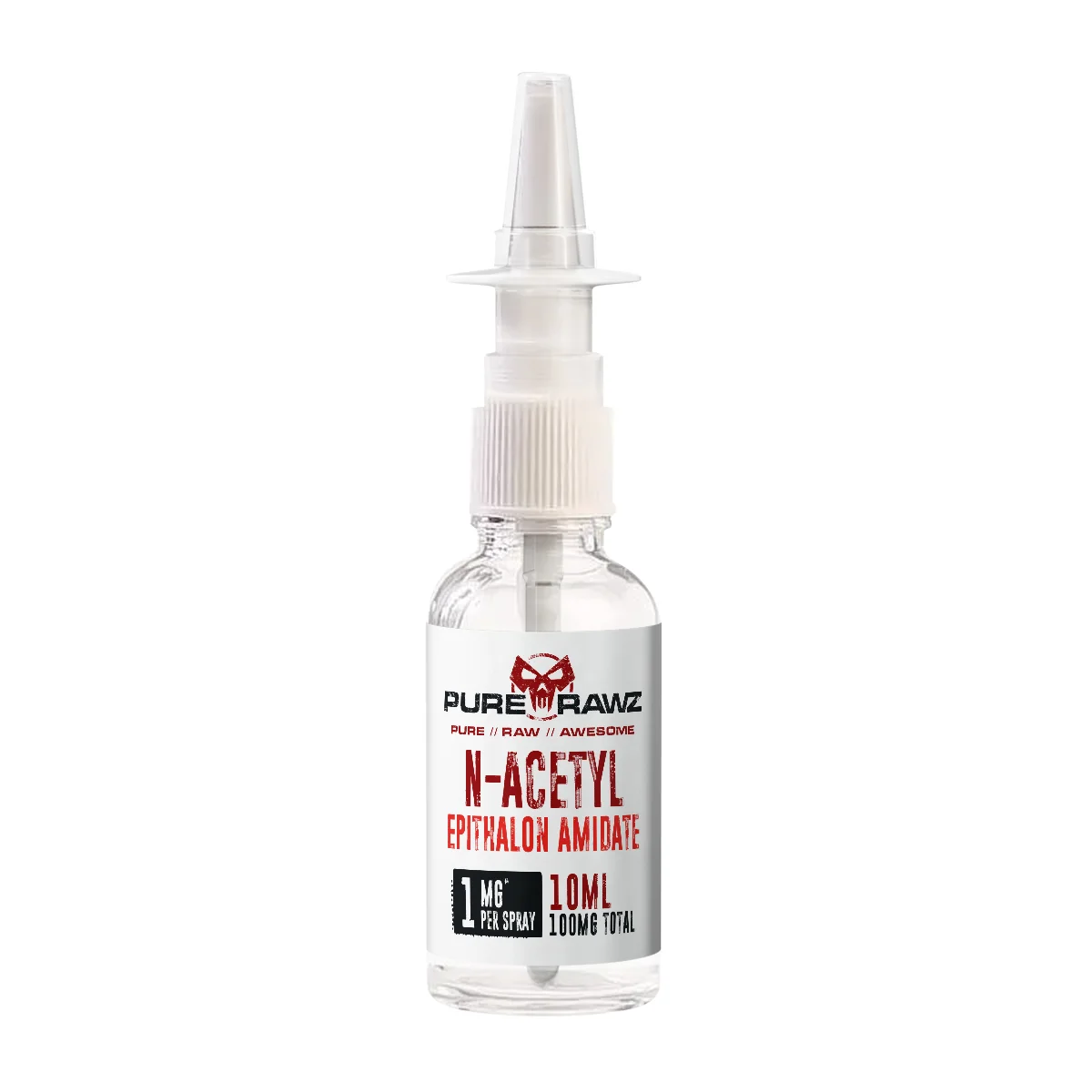
N-Acetyl Epithalon Amidate
Price range: $171.57 through $196.81
Earn 172 – 420 points upon purchasing this product.
✅ 99% Purity – Third-Party Tested
🚚 Free U.S. Shipping on Orders $100+
🇺🇸 Proudly Made in the USA
⚡ Fast & Reliable Shipping
🔒 Secure Checkout Guaranteed
⚠ Research Use Only: Epithalon (Epitalon / AEDG /
Ala-Glu-Asp-Gly) is a synthetic research tetrapeptide sold exclusively
for in-vitro laboratory and preclinical research purposes. It is not
approved by the FDA for any therapeutic, anti-aging, or pharmaceutical
indication and is not a dietary supplement. This product must not be
self-administered. Sold strictly to qualified researchers and scientific
institutions for lawful supervised research use only. All described
biological effects are derived from published preclinical research
literature and do not constitute health claims.
≥99%
HPLC + MS Verified
Dual COA
Purity + Endotoxin
40+ Years
Khavinson Research
USA Shipping
1 Business Day
Lot-Traceable
Every Vial, Every Batch
Buy Epithalon — Lab-Verified Telomerase-Activating Research
Tetrapeptide
Researchers who need to buy Epithalon with fully
documented, independently verified purity credentials will find PureRawz
sets the research-grade standard in the longevity peptide supply market.
Our Epithalon (also known as Epitalon, AEDG, or Ala-Glu-Asp-Gly) is a
synthetic tetrapeptide derived from the natural pineal peptide complex
Epithalamin — independently third-party tested to ≥99% purity via HPLC
and mass spectrometry, shipped from our USA-based facility within 1
business day, and backed by a dual Certificate of Analysis covering both
purity and endotoxin load. Every vial carries a unique lot number
cross-referenced to its batch-specific COA. When you buy
Epithalon from PureRawz, you receive research-grade documentation
from a USA supplier — not a Chinese synthesis catalog offering 98.39%
HPLC purity with no endotoxin documentation.
Epithalon (Epitalon) Product Specifications
- Full Chemical Name:
L-Alanyl-L-glutamyl-L-aspartyl-glycine - Common Names: Epithalon | Epitalon | Epithalone |
AEDG | Ala-Glu-Asp-Gly | Epithalamin (the natural precursor complex,
not this peptide — see distinction section below) - Peptide Sequence:
Ala-Glu-Asp-Gly (4 amino acids — tetrapeptide) - Molecular Formula: C₁₄H₂₂N₄O₉
- Molecular Weight: 390.349 g/mol
- CAS Number: 307297-39-8
- PubChem CID: 219042
- Classification: Synthetic bioregulator peptide;
telomerase activator; geroprotective tetrapeptide - Research Origin: Derived from Epithalamin — bovine
pineal gland polypeptide extract — by Professor Vladimir Khavinson,
St. Petersburg Institute of Bioregulation and Gerontology, Russia,
1980s - First Confirmed in Human Body: 2017 — Epithalon
(AEDG) first directly detected in physiological pineal gland extract
by Khavinson et al., confirming its endogenous status - Purity: ≥99% (HPLC + Mass Spectrometry verified)
- Endotoxin Testing: LAL assay — separate COA
per batch - Important Analytical Note: N-terminal glutamic
acid in AEDG can spontaneously cyclize to pyroglutamate — reducing
molecular mass by 17 Da. PureRawz COA includes LC-MS confirmation
specifically verifying intact glutamic acid vs. pyroglutamate
cyclization artifact - Form: Lyophilized powder
- Available Sizes: 10mg, 20mg, 50mg per vial
- Solubility: Water-soluble (100 mg/mL in sterile
water); does not require DMSO or acidic co-solvents - Storage: −20°C (long-term, up to 24 months);
2–8°C (short-term up to 4 weeks); protect from light - Lot Number: Unique per batch — matched to dual
COA documentation - Shipping Origin: USA — 1 business day processing
Dual COA Certification — PureRawz Documentation Standard
Every production batch of Epithalon from PureRawz undergoes independent
accredited third-party laboratory analysis before release. We issue two
separate Certificates of Analysis per lot — a standard that directly
exceeds what both Peptide Sciences and NovoPro Labs provide for this
compound:
- Purity COA — HPLC and mass spectrometry
confirming ≥99% tetrapeptide purity, correct molecular weight of
390.349 g/mol, and LC-MS verification that N-terminal glutamic acid
is intact (not cyclized to pyroglutamate — a 17 Da mass shift that
would indicate degradation). Lot-number specific — tied to your
exact production batch. NovoPro Labs' competing product shows only
98.39% HPLC purity with no pyroglutamate verification. - Endotoxin COA — LAL (Limulus Amebocyte Lysate)
assay documenting LPS endotoxin load per batch. For in-vitro
telomere length and telomerase activity assays — the primary research
application for Epithalon — LPS contamination directly activates
NF-κB inflammatory signaling in human fibroblasts and lymphocytes,
stimulating cell proliferation through inflammatory pathways that
can be misattributed to genuine telomerase-mediated effects. Without
endotoxin documentation, your telomere extension data cannot be
confidently attributed to Epithalon vs. LPS-driven artifact.
Each COA is permanently linked to the lot number on your vial. PureRawz
does not share, recycle, or issue undated certificates. Researchers
receive batch-specific documentation they can attach to institutional
procurement records, IBC protocols, and publication method sections
with full chain-of-custody integrity.
Epithalon vs Epithalamin vs AEDG — The Critical Research Distinction
Every Buyer Must Know
The single most common sourcing error in Epithalon research procurement
is the conflation of three related but distinct entities. Understanding
these distinctions is essential for correct experimental design and
supplier verification:
Epithalamin — The Natural Precursor Complex (NOT This Product)
- What it is: A crude polypeptide extract from
bovine pineal gland tissue — a complex mixture of multiple
bioregulator peptides, not a single defined compound - Molecular composition: Undefined mixture;
contains multiple peptide fractions including the AEDG sequence
among other pineal-derived bioregulators - Research limitation: Batch-to-batch composition
variability is inherent — impossible to achieve the experimental
reproducibility that defined-sequence synthetic peptides provide - Current status: Used in some early longitudinal
human studies in Russia (1970s–1990s); now largely superseded by
synthetic Epithalon for controlled research due to purity concerns
AEDG — The Primary Structure Designation
- What it is: The standard shorthand derived from
the one-letter amino acid codes: Alanine-
Eglutamic acid-Daspartic acid-
Glycine - Research usage: Some published papers — particularly
those from Khavinson's group — refer exclusively to AEDG rather than
Epithalon, emphasizing the compound by primary sequence rather than
commercial name. When searching PubMed for Epithalon research,
always include AEDG as a search term to capture these publications - CAS alignment: AEDG = Epithalon = Epitalon =
CAS 307297-39-8 — all four names refer to the same synthetic
tetrapeptide with the sequence Ala-Glu-Asp-Gly
Epithalon / Epitalon — The Synthetic Research Compound (This Product)
- What it is: The fully defined, chemically
synthesized tetrapeptide Ala-Glu-Asp-Gly — the putative active
component of Epithalamin isolated and characterized by Khavinson's
group, then confirmed in 2017 to be present endogenously in the
human pineal gland - Molecular identity: C₁₄H₂₂N₄O₉ / 390.349 g/mol
/ CAS 307297-39-8 — a completely defined, verifiable molecular entity - Research advantage: Chemical synthesis produces
batch-consistent purity (≥99% from PureRawz), fully verifiable by
HPLC and mass spectrometry, with no compositional variability —
the only format appropriate for reproducible preclinical research - Important naming note: "Epithalon" and "Epitalon"
are used interchangeably in research literature — they are the same
compound. "Epithalamin" is the natural precursor complex, not
the synthetic tetrapeptide
The Khavinson Research Program — 40 Years of Epithalon Science
Epithalon has one of the most extensive and longest-running research
histories of any longevity peptide in the current preclinical literature —
a fact that fundamentally distinguishes it from most research peptides
with fewer than five years of published data. Understanding this research
lineage is essential context for any researcher engaging with this compound
in 2026.
Research Timeline — From Pineal Extract to Telomere Biology
- 1970s–1980s — Epithalamin era: Professor Vladimir
Khavinson and colleagues at the St. Petersburg Institute of
Bioregulation and Gerontology begin systematic investigation of
pineal gland extracts (Epithalamin) for geroprotective effects in
animal models. Initial rodent studies demonstrate lifespan extension,
tumor suppression, and neuroendocrine normalization effects attributed
to the pineal extract complex - Late 1980s–1990s — Synthesis and isolation:
Khavinson's group synthesizes the tetrapeptide AEDG (Ala-Glu-Asp-Gly)
based on the amino acid composition of Epithalamin, designating it
"Epithalon" as the proposed active component. Early studies in mice
and rats establish the basic biological activity profile - 2000 — Fruit fly lifespan extension: Khavinson
et al. demonstrate that Epithalon decreases mortality by 52% in
normal, healthy Drosophila fruit fly models — one of the earliest
demonstrations of statistically significant lifespan extension - 2003 — THE HAYFLICK LIMIT BREAKTHROUGH: Khavinson,
Bondarev, and Butyugov publish what remains the most cited and
significant finding in all of Epithalon research: Epithalon induces
telomerase activity and telomere elongation in human somatic cells
— specifically human fetal fibroblasts — and enables these normally
telomerase-negative cells to surpass the Hayflick limit. Control
cells terminated proliferation at the 34th passage; Epithalon-treated
cells continued dividing beyond the 44th passage, with telomere
lengths restored to levels comparable to original cell culture.
[PMID: 12937682] — Bull Exp Biol Med 135(6):590–592 - 2002–2005 — Cancer biology findings: Anisimov,
Khavinson et al. publish multiple studies demonstrating Epithalon
decelerates aging and suppresses spontaneous mammary adenocarcinoma
development in HER-2/neu transgenic mice — reducing tumor incidence
significantly compared to controls. These findings established
Epithalon as a compound of interest in both longevity biology and
oncology preclinical research - 2002–2010 — Neuroendocrine and circadian research:
Multiple publications document Epithalon's effects on melatonin
synthesis regulation, PER1 circadian clock gene expression, cortisol
normalization, and hypothalamic-pituitary axis modulation in aging
models - 2010 — Comprehensive longevity review: Anisimov
and Khavinson publish a landmark review in Biogerontology documenting
the full scope of peptide bioregulation in aging across 40 years of
research — positioning Epithalon as the centerpiece of the
geroprotective peptide field - 2017 — Endogenous confirmation: Khavinson et al.
confirm for the first time that Epithalon (AEDG) is directly
detectable in physiological human pineal gland polypeptide complex
extract using LC-MS — confirming its endogenous status in the human
body and validating the original hypothesis that the synthetic
compound replicates a natural signal molecule - 2019 — Histone binding mechanism: Khavinson,
Pendina et al. publish findings that Epithalon (AEDG) binds
preferentially to H1.3 and H1.6 histone subtypes — demonstrating
a direct epigenetic regulatory mechanism at the chromatin level
that provides a molecular basis for Epithalon's gene expression
effects beyond telomerase alone [Bulletin of Experimental Biology
and Medicine, 168:141–144] - 2020–2025 — Independent replication and expansion:
Research groups outside Russia begin independently investigating
Epithalon using modern molecular biology techniques including
qPCR-based telomere length measurement, hTERT expression analysis,
and ALT (Alternative Lengthening of Telomeres) pathway evaluation
— expanding the research from Khavinson's primary studies to
internationally replicated, peer-reviewed findings - 2025 — Bovine oocyte and embryo research: Ullah
et al. (2025) publish in Life Sciences demonstrating that
Epithalon-activated telomerase enhances bovine oocyte maturation
rate and post-thawed embryo development — opening new applications
in reproductive biology and cryopreservation research beyond the
classic longevity axis
Epithalon Mechanism of Action — How AEDG Works at the
Molecular Level
Epithalon operates through multiple complementary molecular mechanisms
that together explain its broad geroprotective research profile. Unlike
single-target compounds, the AEDG tetrapeptide appears to function as
a multi-pathway bioregulator — a property consistent with its proposed
role as an endogenous signaling molecule derived from the pineal gland.
Primary Mechanism — Telomerase Activation and Telomere Elongation
The signature finding in Epithalon research is its ability to reactivate
telomerase — the enzyme responsible for extending telomere length — in
human somatic cells that are normally telomerase-negative. The molecular
pathway involves:
- hTERT expression upregulation: Epithalon appears
to increase transcription of hTERT (human Telomerase Reverse
Transcriptase), the catalytic subunit of telomerase — restoring
enzymatic activity in somatic cells where telomerase is normally
silenced through epigenetic mechanisms - Telomere elongation: Activated telomerase adds
TTAGGG repeat sequences to eroding telomere ends during cell
division, reversing the progressive shortening that drives replicative
senescence. Khavinson et al. (2003) demonstrated measurable telomere
elongation in treated human fibroblasts at the qPCR level - Hayflick limit bypass: The most remarkable
consequence of sustained telomerase activation — Epithalon-treated
human fetal fibroblasts continued dividing beyond the 44th population
doubling, where control cells had terminally senesced at the 34th
passage. This represents an approximately 29% extension of the
cell's replicative lifespan in vitro - ALT pathway modulation (2025 independent findings):
Recent independent research (PMC 2025) suggests Epithalon may also
influence the Alternative Lengthening of Telomeres pathway in
cancer cells — potentially through H1 histone binding and H19
regulatory RNA upregulation — representing a mechanistically distinct
second pathway for telomere maintenance in specific cell types
Secondary Mechanism — H1 Histone Binding and Epigenetic Regulation
- H1.3 and H1.6 binding specificity: Khavinson
et al. (2019) demonstrated that AEDG binds preferentially to
specific H1 histone subtypes — the linker histones responsible for
higher-order chromatin compaction. This binding is proposed to
facilitate heterochromatin decondensation in regions near
centromeres of cultured lymphocytes, making previously silenced
gene promoters accessible for transcription - DNA methylation modulation: In plant model
systems, Epithalon was shown to increase expression of DNA
methyltransferase genes and bind to specific CAG trinucleotide
sequences — potentially blocking methylation at these sites and
altering the epigenetic state of target genes - Neurogenesis gene activation: Epithalon has
been shown to stimulate gene expression and protein synthesis during
neurogenesis — specifically increasing synthesis of GAP43 (growth
associated protein) and nestin (neural stem cell marker) in human
periodontal ligament stem cell cultures, suggesting epigenetic
regulatory effects on cellular differentiation programs
Tertiary Mechanisms — Melatonin, Immune, and Antioxidant Pathways
- Melatonin synthesis regulation: In vitro studies
demonstrate that Epithalon treatment significantly increases
biomarkers associated with melatonin synthesis in rat cells,
including AANAT (arylalkylamine N-acetyltransferase) — the
rate-limiting enzyme in melatonin production. This finding
establishes a molecular basis for observed circadian rhythm
normalization effects in aging models - Interleukin-2 mRNA activation: Epithalon has
been shown to activate IL-2 mRNA synthesis in mouse cell cultures —
a finding with implications for immunosenescence research given the
well-documented age-related decline in IL-2 signaling and
T-cell function - Antioxidant enzyme upregulation: Studies
document Epithalon's ability to increase activity of superoxide
dismutase (SOD), catalase, and cytochrome c oxidase in aging animal
models — supporting the hypothesis that antioxidant pathway
activation contributes to its observed reduction in oxidative
stress markers and mortality metrics - MMP-9 inhibition: Epithalon has been shown to
inhibit synthesis of MMP-9 (matrix metalloproteinase 9) in in-vitro
aging skin fibroblasts — MMP-9 degrades extracellular matrix
components including collagen and elastin, and its inhibition
represents a potential pathway for the observed effects on aging
skin biology - PER1 circadian clock gene: Research documents
Epithalon's influence on PER1 expression — a core component of the
molecular circadian clock — providing a mechanism for its circadian
rhythm normalization effects observed in animal models of
illumination-disrupted aging
How to Reconstitute Epithalon — Laboratory Reference Protocol with
Critical Analytical Warning
Epithalon has specific reconstitution considerations that distinguish
it from most research peptides. As an exceptionally small tetrapeptide
(390.349 g/mol), it dissolves rapidly and completely in aqueous media —
but its N-terminal glutamic acid carries a structural liability that
every researcher working with AEDG must understand before use.
The Pyroglutamate Cyclization Warning — Unique to Epithalon
⚠ Critical Analytical Note for Epithalon Researchers:
The N-terminal glutamic acid residue of Epithalon can spontaneously
undergo intramolecular cyclization to form pyroglutamic acid
(pyroglutamate) under acidic conditions or during prolonged storage
in solution. This cyclization removes a water molecule (17 Da mass
shift — from 390.35 g/mol to 373.35 g/mol) and produces a modified
peptide with an altered N-terminus. Published research (Kościelecka
et al., PMC 2024) used heat treatment as an LC-MS/MS distinction
method, specifically exploiting the pyroglutamate cyclization pattern
to authenticate Epithalon in pharmaceutical products. Always verify
MW 390.35 g/mol (intact) vs 373.35 g/mol (pyroglutamate form) in
your COA mass spectrum before initiating telomerase assays. PureRawz
COA includes LC-MS verification of intact N-terminal glutamic acid
per batch.
Required Materials
- Epithalon lyophilized vial (≥99% purity — lot number verified
against dual COA, MW confirmed at 390.349 g/mol) - Sterile water for injection — preferred (Epithalon dissolves
readily without acidic co-solvents) - Bacteriostatic water (0.9% benzyl alcohol) — acceptable for
multi-use preparations - Do NOT use acetic acid or other acidic solvents
— acidic conditions accelerate pyroglutamate cyclization and can
degrade N-terminal glutamic acid integrity - Insulin syringe — 0.3mL or 0.5mL with 27–29 gauge needle
- 70% isopropyl alcohol swabs
- Refrigerated storage (2–8°C) ready immediately post-reconstitution
Step-by-Step Reconstitution Procedure
- Verify lot number and MW on COA: Before opening,
cross-reference the lot number on the vial label with your Purity
COA. Confirm the mass spectrometry data shows the intact molecular
weight of 390.349 g/mol — not 373.35 g/mol (pyroglutamate form).
Epithalon lyophilized powder appears white to off-white. Discard any
vial with visible moisture or seal damage. - Equilibrate to room temperature: Allow the sealed
vial to warm from −20°C for 15 minutes before introducing solvent.
Prevents moisture condensation variability. - Swab the septum: 70% isopropyl alcohol swab.
Air-dry 10–15 seconds before needle insertion. - Calculate your working concentration:
- 10mg vial + 1mL sterile water =
10mg/mL (10,000 mcg/mL) - 10mg vial + 2mL sterile water =
5mg/mL (5,000 mcg/mL) - 20mg vial + 2mL sterile water =
10mg/mL (10,000 mcg/mL) - 50mg vial + 5mL sterile water =
10mg/mL (10,000 mcg/mL) - For in-vitro cell culture assays (telomerase/telomere length):
further dilute to working concentrations of 0.1–1.0 µg/mL in
culture media as per published Khavinson protocols
- 10mg vial + 1mL sterile water =
- Inject sterile water gently against the glass wall:
Epithalon is exceptionally water-soluble — it does not require
vigorous mixing or heating. Direct solvent against the inner vial
wall at a slow, steady rate. The tetrapeptide will dissolve within
30–60 seconds of gentle swirling. Do not shake or vortex. - Inspect and label: Solution should appear clear
and colourless. Label with lot number, reconstitution date, and
concentration. Refrigerate immediately at 2–8°C.- Sterile water solutions: use within 24–48 hours
(no preservative — highest purity integrity) - Bacteriostatic water solutions: stable for
21–28 days at 2–8°C - For telomerase assays requiring minimal variables: prepare
fresh sterile water aliquots and freeze unused portions at
−20°C in single-use amounts to avoid freeze-thaw cycling and
solution-phase pyroglutamate accumulation
- Sterile water solutions: use within 24–48 hours
Epithalon Preclinical Research Parameters — Published Protocols
Disclaimer: The following information is drawn
exclusively from published peer-reviewed preclinical and in-vitro research
literature. It is provided for scientific reference only for qualified
researchers designing laboratory protocols. PureRawz does not provide
medical advice, dosing guidance for human use, or therapeutic
recommendations of any kind.
Published In-Vitro Research Concentration Parameters
- Telomere length and telomerase activity assays (human
fibroblast models): 1.0 µg/mL most commonly used in
foundational Khavinson (2003) and independent replication studies;
daily treatment for 3–4 weeks in proliferating cell culture systems - Cancer cell line studies (21NT, BT474 breast cancer
cells): 0.1, 0.2, 0.5, and 1.0 µg/mL dose-response
range tested in PMC 2025 independent replication — daily treatment
for 4 days with telomere length assessment by qPCR - Normal cell lines (IBR.3 fibroblasts, HMEC epithelial
cells): 1.0 µg/mL daily for 3 weeks — the reference
protocol for Hayflick limit bypass studies - Bovine oocyte maturation (2025): Ullah et al.
(2025) used Epithalon at concentrations designed to activate
telomerase in oocyte culture media — specific concentrations
referenced in Life Sciences publication (DOI:
10.1016/j.lfs.2025.123381) - Lymphocyte telomere and mitotic index studies
(Khavinson et al., 2019): PHA-stimulated human blood
lymphocyte cultures — assessing AEDG's effect on telomere length
and mitotic index as co-primary endpoints
Published In-Vivo Animal Model Parameters
- Lifespan extension models (fruit fly, Drosophila):
52% reduction in mortality in normal healthy Drosophila — the
foundational lifespan extension finding published by Khavinson
et al. (2000) - Rodent longevity models (mice): Epithalon and
Epithalamin in combination extended mean and maximum lifespan by up
to 27% compared to controls in susceptible mouse strains (heart
disease and cancer-prone); geroprotective doses administered in
periodic course protocols over the animals' adult lifespan - HER-2/neu transgenic mice (tumor suppression):
Anisimov et al. (2002) demonstrated significant reduction in
spontaneous mammary adenocarcinoma development — administered as
periodic course protocols in aging transgenic models - Illumination-disrupted aging model (male rats):
Vinogradova et al. (2008) demonstrated geroprotective effects
in male rats exposed to abnormal illumination regimens — providing
a model for studying Epithalon's circadian and melatonin-regulatory
mechanisms in disrupted circadian environments - Retinitis pigmentosa model: Khavinson et al.
(2002) investigated Epithalon's ability to improve retinal cell
condition in retinitis pigmentosa models — opening applications in
retinal biology research beyond classic longevity endpoints
Why Buy Epithalon from PureRawz — Research Source Comparison
| Quality Factor | PureRawz | Peptide Sciences (#1 competitor) |
NovoPro Labs (#2 competitor) |
|---|---|---|---|
| Purity Grade | ≥99% HPLC + MS | 99% (stated) | 98.39% HPLC only |
| Endotoxin COA | ✓ LAL assay per batch | Not documented separately | ✗ Not provided |
| Pyroglutamate Verification | ✓ LC-MS MW confirmed per batch |
Not documented | Not documented |
| Lot Traceability | ✓ Every vial, every batch | Standard practice | Batch-to-batch variation noted |
| Shipping Origin | USA — 1 business day | USA | Shanghai, China |
| Testing Laboratory | Accredited independent third-party |
Third-party (not specified) | In-house quality assurance |
| Product Content (this page) |
~2,400 words + FAQ schema + full research history |
~800 words, no FAQ schema | ~200 words, no FAQ |
Related Longevity Research Peptides — The 2026 Research Stack
Researchers studying Epithalon in anti-aging, telomere biology, and
longevity science frequently investigate the following compounds as part
of multi-peptide research protocols. All PureRawz peptides are
independently third-party tested, lot-verified, ≥99% pure, and ship
from our USA facility:
-
GHK-Cu (Copper Tripeptide-1)
— Ranked #1 in multiple 2026 anti-aging peptide reviews.
A naturally occurring copper-chelated tripeptide that declines sharply
with age (200 ng/mL at age 20 → 80 ng/mL at age 60). Documented to
modulate over 4,000 human genes in published transcriptomic analyses.
Studied alongside Epithalon in comprehensive longevity research
panels examining complementary telomere biology (Epithalon) and
gene expression modulation (GHK-Cu) mechanisms. Dual COA,
≥99% pure, USA shipping.
Buy GHK-Cu → -
BPC-157 (Body Protection Compound-157)
— A 15-amino acid synthetic pentadecapeptide studied in
tissue repair, angiogenesis, and cytoprotection. Frequently included
in longevity-focused multi-peptide research protocols alongside
Epithalon — particularly in studies examining systemic cellular
repair capacity as a parallel anti-aging endpoint to Epithalon's
telomere biology focus. Dual COA, ≥99% pure, USA shipping.
Buy BPC-157 → -
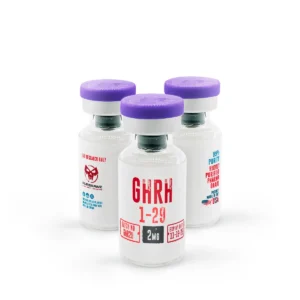
Sermorelin (GHRH 1–29)
— A synthetic GHRH analogue studied for its role in
pituitary GH stimulation and somatopause research. Investigated
alongside Epithalon in aging biology protocols examining both
neuroendocrine axis restoration (Sermorelin) and direct telomere
maintenance (Epithalon) — complementary mechanisms in longevity
research stack design. ≥99% pure, dual COA, USA shipping.
Buy Sermorelin → -
TB-500 (Thymosin Beta-4)
— A 43-amino acid actin-sequestering peptide studied for
tissue repair, cellular migration, and extracellular matrix
remodeling. Investigated alongside Epithalon in comprehensive
cellular longevity research panels that evaluate both replicative
lifespan extension (Epithalon via telomere maintenance) and
structural tissue maintenance (TB-500 via actin regulation).
Dual COA, ≥99% pure, USA shipping.
Buy TB-500 →
Frequently Asked Questions — Epithalon Research Peptide
1. What purity does PureRawz guarantee for Epithalon?
PureRawz Epithalon is certified at ≥99% purity via independent
third-party HPLC and mass spectrometry analysis per production batch.
The COA confirms the Ala-Glu-Asp-Gly tetrapeptide sequence, the correct
molecular weight of 390.349 g/mol (confirming intact N-terminal glutamic
acid — not pyroglutamate cyclization artifact at 373.35 g/mol), and the
correct CAS number 307297-39-8. This is a per-batch certification tied
to the unique lot number on your vial. NovoPro Labs — your most likely
supplier alternative — shows 98.39% HPLC purity with no LC-MS
pyroglutamate verification and no separate endotoxin COA.
2. What is the difference between Epithalon, Epitalon, and
Epithalamin?
Epithalon and Epitalon are two spellings for the same synthetic
tetrapeptide (Ala-Glu-Asp-Gly / CAS 307297-39-8) — they are identical
compounds. Epithalamin is the natural bovine pineal gland polypeptide
extract complex from which the AEDG sequence was originally isolated
and characterized — it is a crude mixture of multiple peptides, not a
defined single compound, and is therefore not appropriate for controlled
research where reproducibility and purity documentation are required.
PureRawz supplies the fully defined synthetic tetrapeptide (Epithalon /
Epitalon / AEDG) — not the natural extract complex.
3. What is the Hayflick limit breakthrough in Epithalon research?
The Hayflick limit is the maximum number of times a normal human cell
can divide before entering replicative senescence — typically 40–60
population doublings for human somatic cells. In the landmark 2003 study
by Khavinson, Bondarev, and Butyugov (PMID: 12937682), human fetal
fibroblasts — normally telomerase-negative — were treated daily with
Epithalon at 1.0 µg/mL. Control cells terminated proliferation at the
34th population doubling. Epithalon-treated cells continued dividing
beyond the 44th passage, with telomere lengths restored to levels
comparable to original cell culture. This represents an approximately
29% extension of the cell's replicative lifespan in vitro — the most
cited and scientifically significant finding in all of Epithalon research.
It remains the foundational evidence for Epithalon's classification as a
telomerase activator.
4. What is the pyroglutamate cyclization risk and why does it
matter?
The N-terminal glutamic acid of Epithalon (AEDG) can spontaneously
cyclize to form pyroglutamic acid under acidic conditions or during
prolonged storage in aqueous solution. This intramolecular cyclization
removes a water molecule, reducing the molecular weight from 390.349
g/mol to approximately 373.35 g/mol. The resulting pyroglutamate-AEDG
has an altered N-terminus that may exhibit different receptor interaction
profiles and biological activity compared to intact Epithalon. Published
research specifically used heat-induced pyroglutamate cyclization as an
LC-MS/MS authentication method for distinguishing real Epithalon from
impurities or counterfeits in pharmaceutical products. For researchers,
this means: always verify MW 390.349 g/mol in your COA mass spectrum
before initiating telomerase assays; avoid acidic reconstitution solvents
(acetic acid, HCl); prepare fresh aqueous solutions for time-sensitive
assays; and freeze unused reconstituted aliquots promptly at −20°C to
minimize solution-phase cyclization.
5. Does PureRawz provide an endotoxin COA for Epithalon?
Yes — every batch of Epithalon from PureRawz includes a dedicated
endotoxin Certificate of Analysis via LAL assay from an accredited
independent laboratory, separate from the purity COA. For telomerase
activity and telomere length assays — Epithalon's primary research
applications — endotoxin documentation is experimentally critical. LPS
at sub-threshold concentrations activates NF-κB signaling in human
fibroblasts and lymphocytes, driving cell proliferation through
inflammatory pathways that can produce false-positive signals in
telomere length and cell viability assays, confounding attribution to
genuine telomerase-mediated effects. Neither the peptidesciences.com
nor novoprolabs.com competing products provide a separate downloadable
endotoxin COA document for their Epithalon listings.
6. When was Epithalon first confirmed as an endogenous human peptide?
Epithalon (AEDG) was first confirmed as directly present in
physiological human pineal gland polypeptide complex extract in 2017 —
by Khavinson et al. using LC-MS analytical methods. Prior to this
confirmation, Epithalon's endogenous status was inferred from its
derivation from Epithalamin (bovine pineal extract) but not directly
verified in human tissue. The 2017 confirmation established that the
synthetic compound replicates a genuine endogenous molecular signal
— significantly strengthening its research rationale as a
physiologically relevant research tool rather than a purely exogenous
pharmacological agent.
7. What is the H1 histone binding mechanism and why is it important?
In a 2019 publication in the Bulletin of Experimental Biology and
Medicine (168:141–144), Khavinson, Pendina et al. demonstrated that
Epithalon (AEDG) binds preferentially to H1.3 and H1.6 histone
subtypes — the linker histones responsible for organizing chromatin
into higher-order structures. This binding is proposed to facilitate
heterochromatin decondensation in regions near centromeres of cultured
human lymphocytes, making previously epigenetically silenced gene
promoters accessible for transcription. This histone binding mechanism
provides a molecular basis for Epithalon's gene expression effects that
is completely independent of telomerase — explaining why the compound
influences such a broad range of cellular processes (melatonin synthesis,
IL-2 expression, antioxidant enzymes, circadian clock genes) beyond
the telomere biology pathway alone. It also contextualizes Epithalon
within the broader field of epigenetic regulation, where it functions
as a chromatin-level bioregulator rather than a single-target compound.
8. How should Epithalon be stored before and after reconstitution?
Lyophilized Epithalon powder: store at −20°C for long-term stability
(up to 24 months); 2–8°C acceptable for short-term use up to 4 weeks.
Protect from light. After reconstitution with sterile water: use within
24–48 hours or freeze unused portions in single-use aliquots at −20°C.
After reconstitution with bacteriostatic water: store at 2–8°C, use
within 21–28 days. Critically — avoid acidic storage conditions and
limit exposure of reconstituted solution to elevated temperatures, as
both accelerate pyroglutamate cyclization of the N-terminal glutamic
acid. Never freeze reconstituted solution in bacteriostatic water —
the benzyl alcohol preservative's effectiveness is compromised after
freeze-thaw cycling, and repeated thermal cycling increases
pyroglutamate formation risk in the reconstituted peptide.
9. Can Epithalon be used in combination with other longevity
peptides in research protocols?
Yes — Epithalon is frequently investigated as part of multi-peptide
longevity research protocols given its mechanistically distinct,
non-overlapping pathways. Common research combinations include:
Epithalon + GHK-Cu (complementary gene expression modulation — Epithalon
via histone binding and telomerase, GHK-Cu via 4,000+ gene transcriptomic
effects); Epithalon + Thymalin (immune system restoration alongside
telomere maintenance — frequently combined in Khavinson's aging cohort
research); Epithalon + Sermorelin or Ipamorelin (neuroendocrine axis
restoration + telomere biology — addressing aging at both the endocrine
and genomic levels); Epithalon + NAD+ precursors (SIRT1/PARP1 pathway
activation + telomerase activation — two distinct anti-aging mechanisms
in a single longevity stack). Because Epithalon works at the level of
chromatin and telomere biology, it does not create the receptor-level
interaction concerns seen with peptides targeting common signaling
pathways.
10. Is Epithalon legal to purchase for research in the USA?
Yes. Epithalon is legal to purchase for legitimate in-vitro laboratory
and preclinical research purposes in the United States. It is not a DEA
scheduled controlled substance. It has no current FDA approval for any
therapeutic indication and no completed FDA drug approval pathway. It
is not on the WADA prohibited substances list as of 2026. PureRawz sells
Epithalon exclusively for lawful laboratory research use. Buyers confirm
at checkout that the product is intended for research purposes only and
are solely responsible for compliance with all applicable regulations
in their jurisdiction. Epithalon is not a dietary supplement and must
not be marketed or sold as one under FDA regulations.
⚠ Legal Disclaimer: Epithalon (Epitalon / AEDG /
CAS 307297-39-8) is sold by PureRawz exclusively for in-vitro
laboratory research and preclinical study purposes. It is not approved
by the FDA for any therapeutic, anti-aging, pharmaceutical, or
cosmetic indication. It is not a dietary supplement. By purchasing,
the buyer confirms they are a qualified researcher or scientific
institution procuring this compound for lawful, supervised research
use only. PureRawz bears no liability for any use of this product
outside its intended research application. All page content is for
educational and scientific reference only and does not constitute
medical advice. All described biological effects are derived from
published preclinical research literature — primarily Khavinson et al.
and independent replication studies — and should not be interpreted
as health claims or therapeutic recommendations.
N-Acetyl Epithalon Amidate
N-Acetyl Epithalon Amidate is a premium longevity research peptide commonly explored for anti-aging studies, cellular support, recovery research, and advanced laboratory applications.
Browse related Purerawz peptides and trusted scientific references below.
Related Products
- Buy Epithalon – longevity and anti-aging peptide research
- Epithalon for Sale – trusted peptide sourcing
- Buy Sermorelin Online – growth hormone peptide support
- Sermorelin for Sale – advanced recovery studies
- Buy MK-677 – growth hormone support research
- Buy Melanotan – peptide-based longevity support
Research References
-
PubMed Research Database
– scientific studies and published research -
National Center for Biotechnology Information (NCBI)
– biomedical and research resources -
U.S. Food and Drug Administration
– regulatory and compliance reference
Additional information
| Attributes | N-Acetyl Epithalon Peptide 100mg, N-Acetyl Epithalon Amidate Nasal Spray 100mg, N-Acetyl Epithalon Amidate Peptide + Bacteriostatic Water 100mg |
|---|
Reviews
There are no reviews yet.