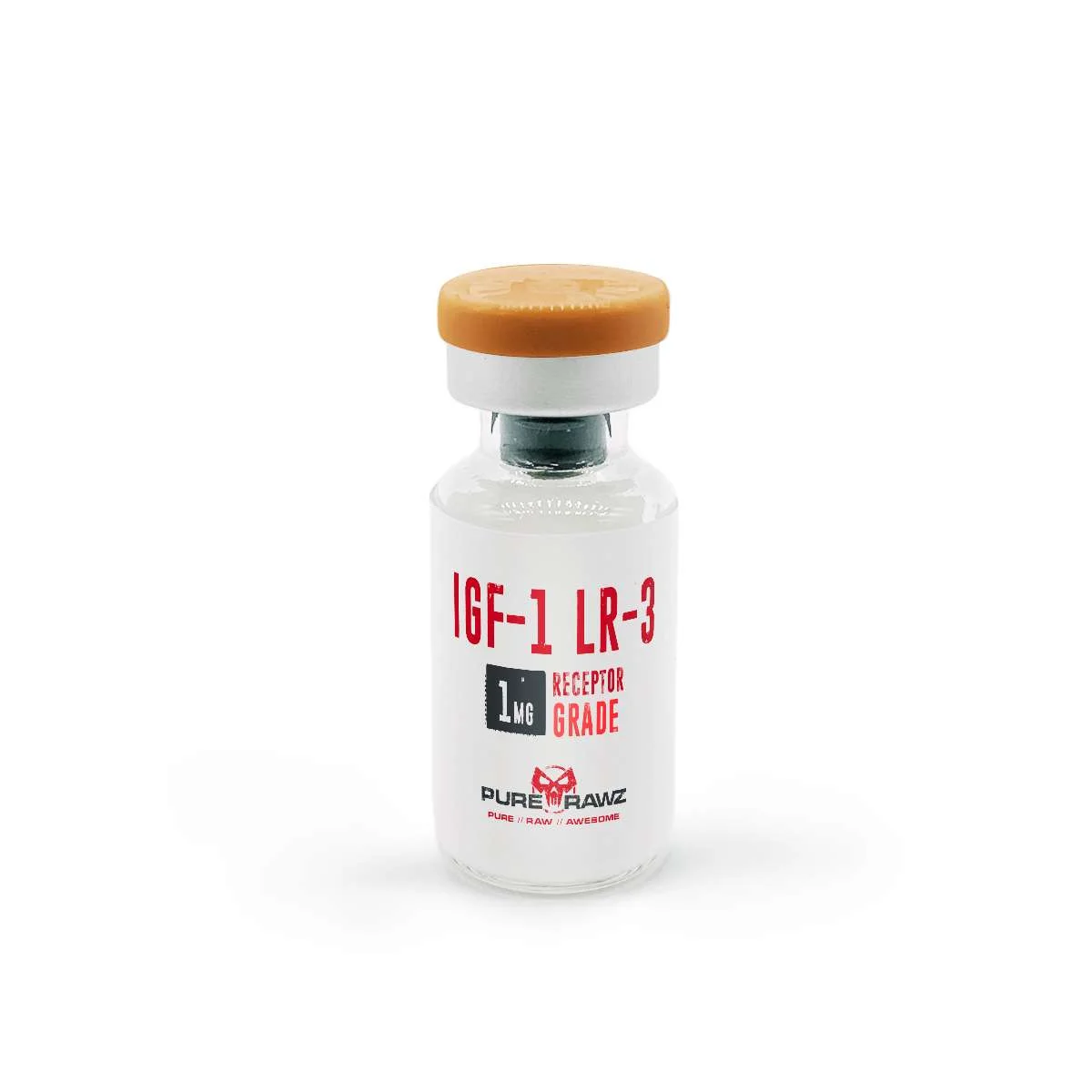
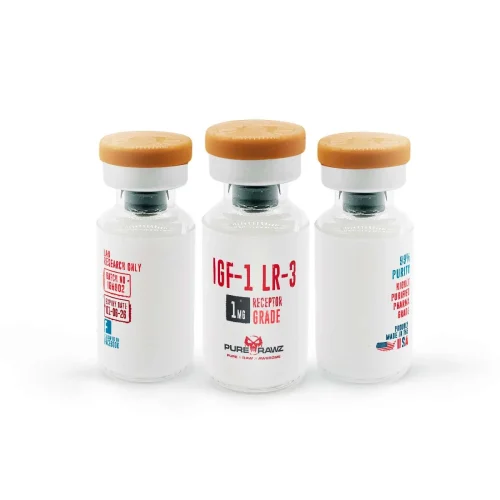
IGF-1 LR3
Price range: $50.01 through $295.86
Earn 48 – 371 points upon purchasing this product.
✅ 99% Purity – Third-Party Tested
🚚 Free U.S. Shipping on Orders $100+
🇺🇸 Proudly Made in the USA
⚡ Fast & Reliable Shipping
🔒 Secure Checkout Guaranteed
Enjoy 24/7 customer support, 1st & 3rd party verified 99% purity, and free shipping on orders over $100!
⚠ Research Use Only: IGF-1 LR3 (Long Arginine 3
Insulin-Like Growth Factor 1) is a synthetic research protein analog
sold exclusively for in-vitro laboratory and preclinical research
purposes. It is not approved by the FDA for any human therapeutic
indication. IGF-1 LR3 is listed by WADA as a prohibited substance
under S2 (Peptide Hormones, Growth Factors, and Related Substances).
Native mecasermin (recombinant human IGF-1) is FDA-approved only for
severe primary IGF-1 deficiency in children — IGF-1 LR3 is a
distinct analog with no current FDA approval for any indication. This
product must not be self-administered. Sold strictly to qualified
researchers and scientific institutions for lawful supervised
research use only.
≥99%
HPLC + MS Verified
Dual COA
Purity + Endotoxin
83 Amino Acids
Full LR3 Sequence
USA Shipping
1 Business Day
Lot-Traceable
Every Vial, Every Batch
Buy IGF-1 LR3 — Lab-Verified Long R3 IGF-1 Research Protein
Researchers who need to buy IGF-1 LR3 with fully
documented, independently verified quality credentials will find PureRawz
delivers the most rigorous research-grade standard in the long-acting IGF-1
analog market. Our IGF-1 LR3 (Long Arginine 3 Insulin-Like Growth Factor 1)
is an 83-amino acid synthetic protein analog engineered for dramatically
reduced IGF binding protein (IGFBP) affinity and extended biological
half-life — independently third-party tested to ≥99% purity via HPLC and
mass spectrometry, ships from our USA-based facility within 1 business day,
and arrives with a dual Certificate of Analysis covering both HPLC-verified
purity and LAL endotoxin load. Every vial carries a unique lot number
cross-referenced to its batch-specific COA. When you buy IGF-1
LR3 from PureRawz, you receive research-grade documentation from
a USA supplier — not a foreign-registered domain with shared, non-batch
specific certificates.
IGF-1 LR3 Product Specifications
- Full Name: Long Arginine 3 Insulin-Like Growth
Factor 1 / IGF-1 LR3 / LR3-IGF-1 / Long R3 IGF-1 - Also Known As: Insulin-Like Growth Factor-I LR3;
R3-IGF-1; LONG R3 IGF1; Somatomedin-C LR3 analog - Structural Basis: Native 70-amino acid IGF-1 +
13-amino acid N-terminal extension (Met-Phe-Pro-Ala-Met-Pro-Leu-Ser-
Ser-Leu-Phe-Val-Asn) + Arg3 substitution (Glu3→Arg3) - Total Amino Acids: 83 (vs 70 in native IGF-1)
- N-Terminal Extension Sequence:
MFPAMPLLSLFVN (13 amino acids derived from methionyl porcine
growth hormone) - Key Modification: Glutamic acid → Arginine
substitution at position 3 (Arg3) — disrupts IGFBP contact point
reducing binding affinity by ~100-fold - Molecular Weight: ~9,111–9,117 Da (9.1 kDa)
- CAS Number: 946870-92-4
- Biological Half-Life: 20–30 hours (vs ~12–15
minutes for native free IGF-1; vs ~12–15 hours for IGFBP-3 complex
bound IGF-1) - Relative Potency: 2–3× greater than equivalent
molar doses of native IGF-1 in preclinical models (Ballard et al.,
1991; Tomas et al., 1993) - IGFBP Binding Reduction: ~100-fold vs native
IGF-1 — circulates predominantly as free, biologically active form - Purity: ≥99% (HPLC + Mass Spectrometry verified)
- Endotoxin Specification: LAL assay COA per batch
— critical for cell culture and in-vivo applications - Form: Lyophilized powder
- Available Size: 1mg per vial
- Storage: −20°C (long-term, up to 24 months);
2–8°C (short-term, up to 4 weeks); protect from light and
repeated freeze-thaw cycles - Lot Number: Unique per batch — matched to dual
COA documentation - Shipping Origin: USA — 1 business day
processing
Dual COA Certification — PureRawz Research Documentation Standard
Every production batch of IGF-1 LR3 from PureRawz is released only
after passing independent third-party laboratory verification. We issue
two separate Certificates of Analysis per production lot — a standard
that directly addresses the documented deficiencies in non-batch-specific
and single-assay COA practices seen across the research peptide market:
- Purity COA — HPLC and mass spectrometry analysis
confirming ≥99% protein purity, sequence identity of the 83 amino
acid LR3 analog, and molecular weight confirmation at ~9,111 Da.
Mass spectrometry verification distinguishes authentic LR3 (with
Arg3 modification and full N-terminal extension) from native IGF-1
(9.1 kDa but different sequence) or truncated fragments. Lot-number
specific — tied to your exact production batch. - Endotoxin COA — LAL (Limulus Amebocyte Lysate)
assay documenting LPS endotoxin load per batch. For IGF-1 LR3,
this is especially critical: the protein is extensively used in
mammalian cell culture applications (CHO cells, C2C12 myoblasts,
MCF-7 cells) where LPS contamination as low as 0.01 EU/µg triggers
TLR4-mediated NF-κB activation, artificially stimulating cell
proliferation and completely confounding IGF-1R-mediated PI3K/Akt
signaling readouts.
Each COA is permanently linked to the lot number on your vial.
PureRawz does not share, recycle, or issue undated certificates across
production runs. This is the documentation chain that institutional
procurement officers, CRO laboratory managers, and publication-track
researchers require — and what distinguishes PureRawz from foreign
suppliers operating with batch-aggregated quality documentation.
What Is IGF-1 LR3? The Science Behind Long Arginine 3 IGF-1
IGF-1 LR3 (Long Arginine 3 Insulin-Like Growth Factor 1) is a
synthetic analog of the endogenous 70-amino acid hormone insulin-like
growth factor 1 (IGF-1), engineered with two specific structural
modifications that transform its pharmacokinetic behavior and research
utility. Originally developed by GroPep Ltd. in collaboration with the
Institute of Medical and Veterinary Science (Adelaide, Australia) in
the early 1990s, IGF-1 LR3 was initially designed to overcome the
fundamental limitation constraining native IGF-1 in research and
biopharmaceutical applications: sequestration by the six insulin-like
growth factor binding proteins (IGFBPs 1–6) that inactivate over 99%
of circulating IGF-1 in normal physiology.
The Two Structural Modifications That Define IGF-1 LR3
Understanding IGF-1 LR3's behavior in research models requires
understanding these two engineering decisions:
-
Modification 1 — Arg3 substitution (Glu3→Arg3):
Glutamic acid at position 3 of native IGF-1's sequence is a critical
contact point between IGF-1 and its binding proteins (particularly
IGFBP-1, -2, -3, and -5). Replacing it with arginine disrupts this
contact interface, reducing IGFBP binding affinity by approximately
100-fold across most IGFBPs. Critically, this substitution does not
affect binding to the IGF-1 receptor (IGF-1R) — the molecule retains
full agonist activity at its primary target while escaping the
binding protein regulatory system. -
Modification 2 — 13-amino acid N-terminal extension
(MFPAMPLLSLFVN): This extension, derived from methionyl
porcine growth hormone, adds steric bulk at the N-terminus that
further reduces IGFBP binding through spatial hindrance — without
affecting the receptor-binding domains located in the central and
C-terminal regions of the molecule. The combined effect of the Arg3
substitution and N-terminal extension produces a molecule that
circulates almost entirely as free, unbound, biologically active
protein — the "parking brake released" version of native IGF-1.
Pharmacokinetic Consequences — Why Half-Life Matters in Research
- Native free IGF-1 half-life: ~10–15 minutes
(rapidly sequestered by IGFBPs) - IGFBP-3 bound IGF-1 complex: ~12–15 hours
(the predominant circulating form, but biologically restricted) - IGF-1 LR3 half-life: ~20–30 hours (circulates
predominantly free and active due to ~100-fold IGFBP binding
reduction) - Potency multiplier: 2–3× greater biological
activity per molar dose than native IGF-1 in preclinical models —
44 µg/day LR3 produced effects equivalent to 278 µg/day native
IGF-1 in Tomas et al. (1993) guinea pig studies
IGF-1 LR3 vs Native IGF-1 — Critical Research Distinctions
Selecting the correct IGF-1 variant for a specific research
application is one of the most common sourcing decisions in growth
factor biology. The table below outlines the key experimental
distinctions that determine which form is appropriate for specific
assay designs:
| Parameter | IGF-1 LR3 | Native IGF-1 |
|---|---|---|
| Amino Acid Length | 83 amino acids | 70 amino acids |
| Molecular Weight | ~9,111–9,117 Da | ~7,649 Da |
| IGFBP Binding Affinity | ~100-fold reduced vs native | High — >99% sequestered in circulation |
| Biological Half-Life | 20–30 hours (free active form) | ~10–15 minutes (free) / 12–15 hrs (bound) |
| IGF-1R Binding Affinity | Full — unaffected by modifications |
Full — native receptor affinity |
| Relative Potency (in vivo) | 2–3× greater per molar dose | Reference standard (1×) |
| Cell Culture Application | Standard for serum-free mammalian cell culture — industry-preferred |
Used in serum-containing cultures; less efficient in serum-free conditions |
| Best Research Use Case | Sustained IGF-1R activation, serum-free cell culture, in-vivo anabolic signaling studies |
IGFBP interaction studies, acute receptor kinetics, binding protein regulatory research |
| CAS Number | 946870-92-4 | 67763-96-6 |
IGF-1 LR3 in Mammalian Cell Culture Research
Beyond its role in endocrine and anabolic signaling research, IGF-1
LR3 occupies a critical position as a biopharmaceutical cell culture
supplement — an application angle that most research peptide suppliers
entirely fail to address and that represents a large, distinct
researcher audience searching for this compound.
Why IGF-1 LR3 Became the Standard Serum-Free Culture Supplement
The transition from serum-containing to serum-free mammalian cell
culture media — driven by regulatory requirements for biopharmaceutical
manufacturing — created a critical need for a growth factor that could
replace insulin's mitogenic function without the drawbacks of adding
animal-derived serum. Native IGF-1 was a candidate but its rapid
inactivation by IGFBPs present in culture conditions limited its
utility. IGF-1 LR3's IGFBP-resistant design solved this problem
directly:
- CHO cell applications: CHO (Chinese Hamster Ovary)
cells supplemented with 100 ng/mL IGF-1 LR3 show approximately
40% higher monoclonal antibody titer vs. insulin supplementation,
and 62% higher titer vs. no growth factor — making it the preferred
growth supplement in commercial biopharmaceutical CHO cell media
(GroPep / Sigma-Aldrich published data) - C2C12 myoblast assays: Studies measure 30–40%
increase in ribosomal S6 kinase phosphorylation in C2C12 myoblast
cultures — a standard readout for PI3K/Akt/mTOR pathway activation
in skeletal muscle biology research - MCF-7 cell proliferation assays: IGF-1 LR3 is
used as a reference proliferation inducer in MCF-7 cell serum-free
assays — the ED50 for cell proliferation stimulation is typically
0.3–1.5 ng/mL, corresponding to specific activity
>6.7×10⁵ U/mg - Endotoxin specification requirement: Biopharmaceutical
cell culture applications typically require endotoxin
<0.01 EU/µg of protein — significantly more stringent than standard research applications. PureRawz endotoxin COA provides the LAL data researchers need to assess suitability for their specific assay sensitivity requirements
How to Reconstitute IGF-1 LR3 — Laboratory Protocol with Safety
Handling Notes
IGF-1 LR3 requires specific reconstitution handling that differs
from standard research peptides due to its protein nature (not a
synthetic peptide), its sensitivity to mechanical shear forces, and the
critical hypoglycemia safety consideration associated with IGF-1 receptor
activation in in-vivo research models.
Required Materials
- IGF-1 LR3 lyophilized vial (≥99% purity — lot number verified
against dual COA before proceeding) - Bacteriostatic water (0.9% benzyl alcohol) — standard for
research peptide reconstitution - 0.1% BSA (bovine serum albumin) in sterile PBS — preferred
for cell culture applications to prevent protein adsorption to
vial and syringe surfaces - Low-protein-binding syringe and needle (25–27 gauge) — IGF-1
LR3 is a protein that can adsorb to standard polypropylene syringe
surfaces, reducing effective concentration - 70% isopropyl alcohol swabs
- Refrigerated storage at 2–8°C ready immediately post-reconstitution
- Foil or amber vials — IGF-1 LR3 is light sensitive in solution
Step-by-Step Reconstitution Procedure for IGF-1 LR3
- Verify lot number and vial integrity:
Cross-reference the lot number on the vial label against both
the Purity COA (confirming MW ~9,111 Da and Arg3 modification)
and the Endotoxin COA before proceeding. IGF-1 LR3 lyophilized
powder appears white to off-white. Discard any vial with a
broken seal or visible moisture damage. - Equilibrate to room temperature: Allow the
sealed vial to warm from −20°C storage for 15–20 minutes before
reconstitution. Prevents condensation variability in cold
vials. - Swab septum: 70% isopropyl alcohol swab.
Air-dry 10–15 seconds before needle insertion. - Select your solvent based on application:
- For general research and in-vivo protocols:
Bacteriostatic water — preserves sterility for multi-use
preparations up to 21 days refrigerated - For cell culture applications: 0.1% BSA in
sterile PBS (pH 7.2–7.4) — BSA prevents protein adsorption
to laboratory plasticware surfaces, maintaining actual
working concentration accuracy in nanomolar-range
cell culture assays
- For general research and in-vivo protocols:
- Calculate working concentration:
- 1mg vial + 1mL solvent =
1mg/mL (1,000 mcg/mL) - 1mg vial + 2mL solvent =
500 mcg/mL
(most common starting concentration — allows precise
dilution for cell culture nanomolar ranges) - For cell culture: further dilute in culture media to
working concentrations of 10–100 ng/mL for most
proliferation assays
- 1mg vial + 1mL solvent =
- Inject solvent very slowly — protein shear
sensitivity: IGF-1 LR3 is a folded 83-amino acid
protein — not a short synthetic peptide. Mechanical agitation
from fast injection or vortexing causes protein denaturation
and aggregation at air-liquid interfaces. Direct the solvent
stream gently against the inner glass wall at the slowest
controllable rate. Allow passive diffusion — 2–3 minutes
at room temperature. Never shake, vortex, or tap the vial
aggressively. - Verify dissolution: Solution should be
clear and colourless. Any turbidity, particulate matter,
or opalescence indicates protein aggregation — discard and
prepare fresh. Aggregated IGF-1 LR3 will not produce
reliable receptor activation in downstream assays. - Aliquot for single-use where possible:
For cell culture applications, prepare single-use aliquots
and store at −20°C after first reconstitution to minimize
freeze-thaw cycling. For research protocols using
bacteriostatic water, refrigerate at 2–8°C and use
within 21 days.
⚠ In-Vivo Research Safety Note — Hypoglycemia Risk:
IGF-1 LR3 activates the IGF-1 receptor, which shares significant
structural homology with the insulin receptor and activates overlapping
PI3K/Akt signaling pathways. In in-vivo preclinical animal models,
IGF-1 LR3 administration can produce hypoglycemic episodes —
particularly at higher doses or when animals are fasted. Researchers
designing in-vivo protocols must include blood glucose monitoring
as a standard safety endpoint and ensure post-injection access to
food or glucose supplementation in animal model designs. This risk
is not present in in-vitro cell culture applications at
physiological nanomolar concentrations.
IGF-1 LR3 Preclinical Research Applications and Protocols
Disclaimer: The following information is drawn
exclusively from published peer-reviewed preclinical and in-vitro
research literature. It is provided for scientific reference purposes
only for qualified researchers designing laboratory protocols. PureRawz
does not provide medical advice, dosing guidance for human use, or
therapeutic recommendations of any kind.
Published In-Vitro Research Concentration Parameters
- Cell proliferation assays (MCF-7, C2C12):
ED50 typically 0.3–1.5 ng/mL for IGF-1R-mediated proliferation
stimulation; optimal working range 1–100 ng/mL for dose-response
curve construction - PI3K/Akt/mTOR pathway activation studies:
10–100 ng/mL range most consistently reported for S6K1
phosphorylation and 4E-BP1 hyperphosphorylation in myoblast
and hepatocyte cell models - Satellite cell proliferation assays: 25–30%
increased Ki-67 and MyoD expression reported at 10–50 ng/mL
concentrations in muscle stem cell culture models - CHO cell bioproduction media: 100 ng/mL
standard supplementation in serum-free media — achieves 40%
titer improvement over insulin supplementation in monoclonal
antibody production systems - IGFBP interaction studies (as negative control):
IGF-1 LR3 is frequently used as an IGFBP-resistant control
alongside native IGF-1 to distinguish IGFBP-dependent from
receptor-direct effects in binding protein biology research
Published In-Vivo Preclinical Parameters
- Rodent muscle biology models: 44 µg/day
demonstrated equivalent anabolic effects to 278 µg/day native
IGF-1 in guinea pig skeletal muscle models (Tomas et al., 1993)
— the foundational potency comparison study - Rat L6 myoblast protein synthesis assay:
ED50 for protein synthesis stimulation <10 ng/mL in rat L6 myoblast models — a standard assay for confirming batch biological activity - Body composition research models: LR3-IGF-1
infusion in guinea pigs significantly increased weight of adrenals,
gut, kidneys, and spleen (Bastian et al., 1993) — demonstrating
systemic tissue-anabolic effects across organ systems, not
exclusively muscle. Researchers must account for this broad
anabolic profile when designing body composition endpoint studies - Burn wound healing (compassionate use data):
Accelerated epithelialization and dermal regeneration reported
in severe burn injury preclinical models — IGF-1 LR3 investigated
as a growth factor supplement in wound repair protocols
Related Growth Factor Research Compounds
Researchers investigating IGF-1 LR3 frequently study the following
compounds in GH/IGF axis, anabolic signaling, and tissue repair research
protocols. All PureRawz compounds are independently third-party tested,
lot-verified, and ship from our USA facility:
-
Sermorelin (GHRH 1–29)
— The 29-amino acid N-terminal fragment of growth hormone
releasing hormone. Studied for upstream pituitary GH stimulation —
working through the hypothalamic-pituitary axis to increase endogenous
GH and downstream IGF-1 production. Mechanistically distinct from
IGF-1 LR3, which acts directly at the IGF-1 receptor bypassing
pituitary signaling entirely. Together they allow researchers to
compare upstream axis stimulation vs. direct receptor activation.
≥99% pure, dual COA, USA shipping.
Buy Sermorelin → -
CJC-1295 (Long-Acting GHRH Analogue)
— A modified GHRH(1–29) with extended half-life (6–8 days
DAC form). Stimulates endogenous GH and downstream hepatic IGF-1
production. Studied in the GH/IGF axis research alongside IGF-1 LR3
to compare indirect (GHRH-mediated) vs. direct IGF-1R activation
in anabolic signaling experiments. ≥99% pure, lot-traceable,
USA shipping.
Buy CJC-1295 → -
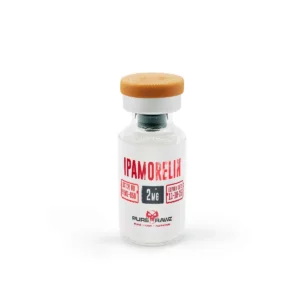
Ipamorelin (GHS-R1a Agonist)
— A selective ghrelin receptor agonist that stimulates
pulsatile GH release through GHS-R1a — a third mechanistic pathway
for GH axis activation distinct from both GHRH analogues and direct
IGF-1R targeting. Frequently used in multi-peptide GH axis research
protocols alongside sermorelin and IGF-1 LR3 to map receptor
cross-talk and pathway hierarchy.
Buy Ipamorelin → -
BPC-157 (Body Protection Compound-157)
— A 15-amino acid synthetic pentadecapeptide studied in
tissue repair, angiogenesis, and extracellular matrix biology.
Investigated alongside IGF-1 LR3 in multi-growth-factor wound
healing and tissue regeneration research protocols where complementary
anabolic and vascular signaling mechanisms are studied together.
Dual COA, ≥99% pure.
Buy BPC-157 →
Frequently Asked Questions — IGF-1 LR3 Research Protein
1. What purity does PureRawz guarantee for IGF-1 LR3?
PureRawz IGF-1 LR3 is certified at ≥99% purity via independent
third-party HPLC and mass spectrometry analysis per production batch.
The COA confirms: the 83-amino acid LR3 sequence identity, the correct
molecular weight of approximately 9,111–9,117 Da, the Arg3 modification
(confirming IGFBP-resistant design), and the N-terminal extension
(MFPAMPLLSLFVN). This is a per-batch certification with a unique lot
number — not a shared, non-batch-specific certificate. The COA is
available for download before and after purchase.
2. What is the difference between IGF-1 LR3 and native IGF-1?
IGF-1 LR3 is an 83-amino acid engineered analog of the native 70-amino
acid IGF-1 protein with two structural modifications: (1) glutamic acid
→ arginine substitution at position 3 (Arg3), reducing IGFBP binding
affinity by ~100-fold; and (2) a 13-amino acid N-terminal extension
(Met-Phe-Pro-Ala-Met-Pro-Leu-Ser-Ser-Leu-Phe-Val-Asn) that further
sterically blocks IGFBP interaction. The result is a protein that retains
full IGF-1 receptor (IGF-1R) binding affinity while circulating almost
entirely in free, biologically active form — producing a 20–30 hour
half-life vs. ~10–15 minutes for free native IGF-1, and 2–3× greater
potency per molar dose in preclinical models. Native IGF-1 is the correct
choice when studying IGFBP interaction biology; IGF-1 LR3 is the correct
choice when maximizing sustained IGF-1R activation or working in
serum-free cell culture conditions.
3. Does PureRawz provide an endotoxin COA for IGF-1 LR3?
Yes — every batch of IGF-1 LR3 from PureRawz is accompanied by a
dedicated endotoxin Certificate of Analysis via LAL (Limulus Amebocyte
Lysate) assay from an accredited independent laboratory, separate from
the purity COA. For cell culture applications — where IGF-1 LR3 is
extensively used — endotoxin documentation is experimentally critical.
LPS contamination as low as 0.01 EU/µg triggers TLR4/NF-κB-mediated
inflammatory signaling and non-specific cell proliferation that directly
confounds PI3K/Akt pathway and cell growth endpoint measurements. Most
IGF-1 LR3 suppliers provide only HPLC purity data. PureRawz provides
both purity and endotoxin documentation as standard.
4. Why should I use 0.1% BSA in PBS instead of bacteriostatic water
for cell culture reconstitution?
IGF-1 LR3 is an 83-amino acid folded protein — not a short synthetic
peptide. At the nanomolar working concentrations used in most cell
culture assays (10–100 ng/mL), protein adsorption to polypropylene
syringe walls, plastic tubes, and culture vessel surfaces can
significantly reduce the actual concentration reaching cells versus
the nominal concentration calculated from your stock solution. Adding
0.1% BSA (bovine serum albumin) as a carrier protein in sterile PBS
saturates these non-specific adsorption sites, maintaining the free
IGF-1 LR3 concentration in solution. For in-vivo research protocols,
bacteriostatic water is the standard solvent. For in-vitro cell culture
dose-response studies where concentration accuracy is critical, 0.1%
BSA/PBS is strongly recommended.
5. What is the molecular weight of IGF-1 LR3 and why does CAS
number verification matter?
IGF-1 LR3 has a molecular weight of approximately 9,111–9,117 Da
(9.1 kDa) and CAS number 946870-92-4. Native IGF-1 has a molecular weight
of ~7,649 Da (CAS 67763-96-6) — a significantly different mass. Mass
spectrometry confirmation of ~9,111 Da in your COA is the definitive
proof that you have received the full 83-amino acid LR3 analog with
the complete N-terminal extension and Arg3 modification — not native
IGF-1 (7.6 kDa), a truncated form, or an improperly manufactured
sequence. Always verify the molecular weight in your COA matches the
expected 9,111–9,117 Da range before using any IGF-1 LR3 preparation
in receptor binding or cell proliferation assays.
6. What is IGF-1 LR3's role in biopharmaceutical cell culture?
IGF-1 LR3 is the industry-standard growth factor supplement for
serum-free mammalian cell culture in biopharmaceutical manufacturing.
CHO (Chinese Hamster Ovary) cells — the primary production system for
monoclonal antibodies and recombinant proteins — supplemented with 100
ng/mL IGF-1 LR3 show approximately 40% higher antibody titer vs. insulin
supplementation and 62% higher titer vs. no growth factor. This has made
IGF-1 LR3 a standard component of commercial serum-free CHO cell media
formulations and is used in production of over 80% of biopharmaceutical
proteins globally. For researchers in bioprocessing and cell biology,
the endotoxin COA specification (<0.01 EU/µg) is particularly important
for cell culture applications where LPS can confound proliferation data.
7. Is IGF-1 LR3 on the WADA prohibited list?
Yes. IGF-1 LR3 is listed by WADA (World Anti-Doping Agency) as a
prohibited substance under category S2: Peptide Hormones, Growth Factors,
Related Substances, and Mimetics. This prohibition has been in place
since 2008. PureRawz sells IGF-1 LR3 exclusively for legitimate
laboratory and preclinical research purposes — not for athletic
performance enhancement. Researchers and institutions purchasing IGF-1
LR3 from PureRawz confirm at checkout that the compound is intended for
lawful research use only. Competitive athletes should note that WADA
testing programs include detection protocols for IGF-1 analogs.
8. How should IGF-1 LR3 be stored before and after
reconstitution?
Lyophilized IGF-1 LR3 powder: store at −20°C for long-term stability
(up to 24 months); short-term storage at 2–8°C is acceptable for up
to 4 weeks. Protect from light. After reconstitution with bacteriostatic
water: refrigerate at 2–8°C, use within 21 days, protect from light.
For cell culture applications reconstituted in 0.1% BSA/PBS: prepare
single-use aliquots, freeze unused portions at −20°C, and limit
freeze-thaw cycles to a maximum of 2–3 (protein denaturation risk
increases with each thermal cycle). Never freeze reconstituted protein
in a standard non-frost-free freezer — temperature cycling in frost-free
units causes repeated freeze-thaw damage. Use a dedicated −20°C manual
defrost freezer for long-term reconstituted protein storage.
9. Can IGF-1 LR3 be combined with GH secretagogues in research
protocols?
Yes — IGF-1 LR3 and GH secretagogues (Sermorelin, CJC-1295,
Ipamorelin) target completely distinct receptors and non-overlapping
mechanistic pathways, making them complementary research tools in
multi-compound GH/IGF axis protocols. GH secretagogues act upstream
— at pituitary GHRH receptors or ghrelin receptors — stimulating
endogenous GH release and downstream hepatic IGF-1 synthesis. IGF-1
LR3 acts downstream — directly at the peripheral IGF-1 receptor —
bypassing the pituitary axis entirely. Combining them in research
designs allows investigators to study convergent vs. independent
contributions of upstream GH axis stimulation and direct IGF-1R
activation to shared downstream endpoints (PI3K/Akt, mTOR, protein
synthesis, satellite cell activation).
10. Is IGF-1 LR3 legal to purchase for research in the USA?
Yes. IGF-1 LR3 is legal to purchase for legitimate in-vitro
laboratory and preclinical research purposes in the United States. It
is not a DEA-scheduled controlled substance. It has no current FDA
approval for any therapeutic indication — native mecasermin
(recombinant human IGF-1, brand name Increlex) is FDA-approved only
for severe primary IGF-1 deficiency in children; IGF-1 LR3 is a
distinct analog with no regulatory approval pathway. It is prohibited
by WADA for use in competitive athletics. PureRawz sells IGF-1 LR3
exclusively for lawful laboratory research use. Buyers confirm at
checkout that the product is intended for research purposes only and
are solely responsible for compliance with all applicable regulations
in their jurisdiction.
⚠ Legal Disclaimer: IGF-1 LR3 (Long Arginine 3
Insulin-Like Growth Factor 1 / CAS 946870-92-4) is sold by PureRawz
exclusively for in-vitro laboratory research and preclinical study
purposes. It is not approved by the FDA for any human therapeutic
indication. Native mecasermin (recombinant IGF-1) holds FDA approval
only for severe primary IGF-1 deficiency in children — IGF-1 LR3 is
a structurally distinct analog with no corresponding FDA approval.
IGF-1 LR3 is prohibited by WADA under S2 (Peptide Hormones, Growth
Factors, Related Substances and Mimetics). It must not be
self-administered and is not intended for human or veterinary
therapeutic use. In-vivo research protocols must include blood glucose
monitoring given IGF-1R-mediated hypoglycemic potential. By purchasing,
the buyer confirms they are a qualified researcher or scientific
institution procuring for lawful, supervised research use only.
PureRawz bears no liability for any use of this product outside its
intended research application. All page content is for educational
and scientific reference only and does not constitute medical advice.
IGF-1 LR3
IGF-1 LR3 is a widely researched peptide commonly explored for muscle growth studies, recovery support, performance enhancement, and advanced laboratory applications.
Browse related Purerawz peptides and trusted scientific references below.
Related Products
- Buy IGF-1 LR3 – growth and recovery research
- Buy MK-677 – growth hormone support studies
- Buy Sermorelin Online – peptide hormone support research
- Sermorelin for Sale – advanced growth peptide studies
- Buy BPC-157 – recovery and regeneration research
- Buy TB-500 – advanced repair peptide studies
Research References
-
PubMed Research Database
– scientific studies and published research -
National Center for Biotechnology Information (NCBI)
– biomedical and research resources -
U.S. Food and Drug Administration
– regulatory and compliance reference
Additional information
| Attributes | Receptor Grade 0.2mg, Receptor Grade 1mg |
|---|
Reviews
There are no reviews yet.